Cause-aware plan
The pool is assessed for the conditions that allowed algae or discoloration to develop.
Green water needs more than a quick chemical dose. The cleanup plan should address debris, chemistry, circulation, filtration, and what caused the problem.
Algae growth can follow missed circulation, low sanitizer, equipment trouble, storms, heavy debris, or a combination of conditions. The safest and most effective recovery plan depends on visibility, surface type, water balance, and whether the equipment can support treatment.
Hang Ten’s background in weekly care, water chemistry, filter service, and equipment troubleshooting supports a whole-pool approach to recovery instead of treating color alone.
The pool is assessed for the conditions that allowed algae or discoloration to develop.
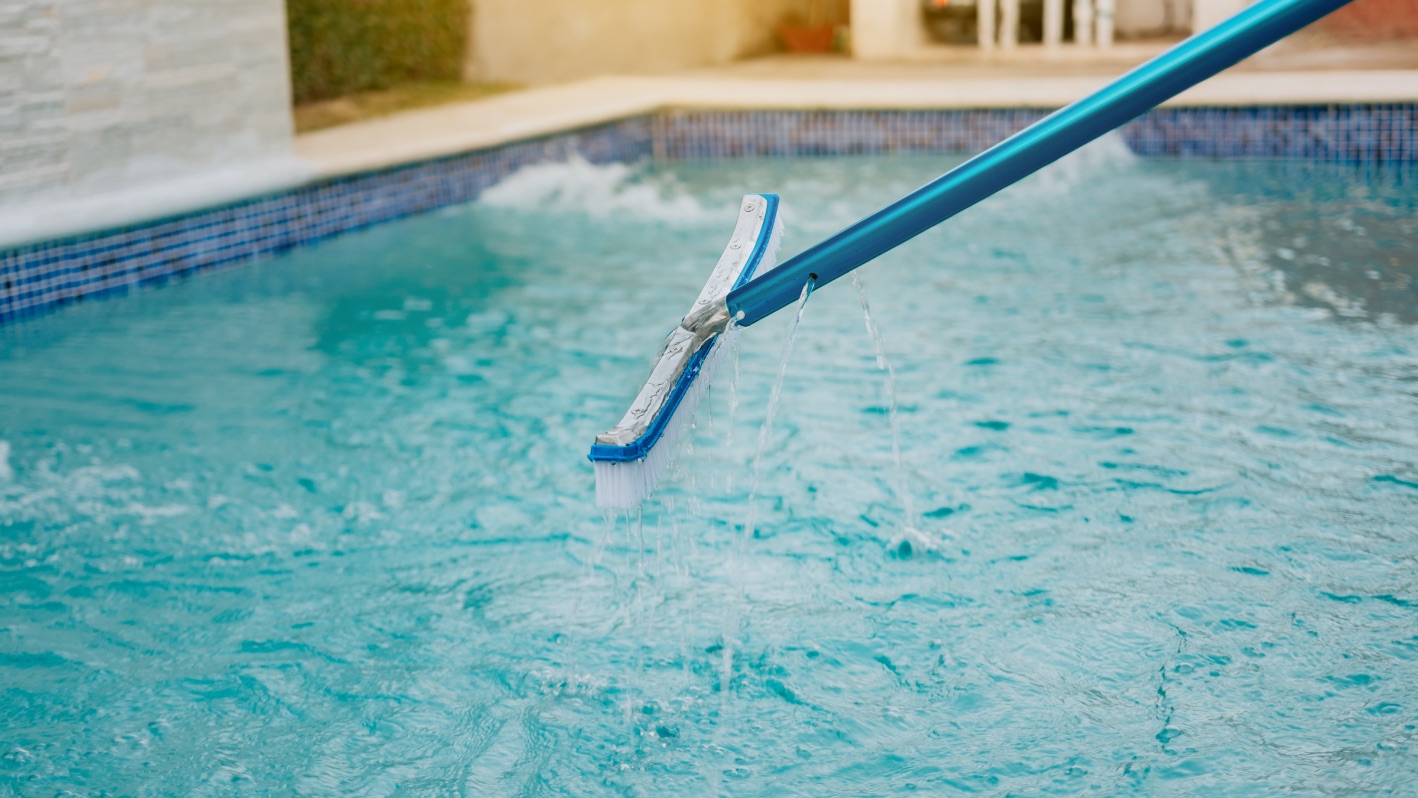
Brushing, debris removal, chemistry, circulation, and filtration are planned together.
Follow-up care focuses on keeping the same conditions from returning.
Effective cleanup coordinates debris removal, brushing, water testing, treatment, circulation, and filtration. The sequence and number of visits depend on algae severity, visibility, surface type, equipment performance, and starting water balance.
Discuss My PoolRecovery is managed in stages so treatment, physical cleaning, and filtration support one another. Clear-looking water is not the only completion standard; chemistry and visibility also matter.
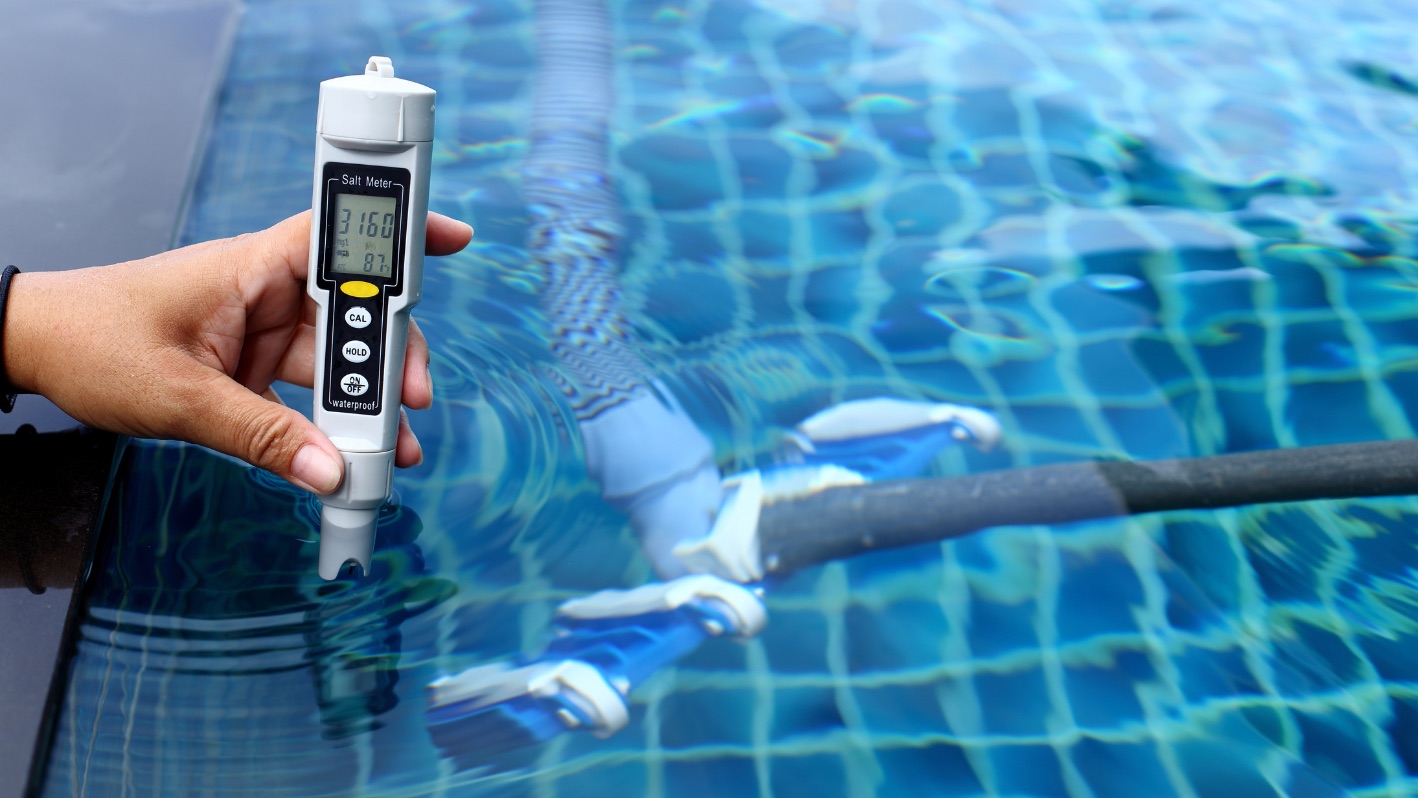
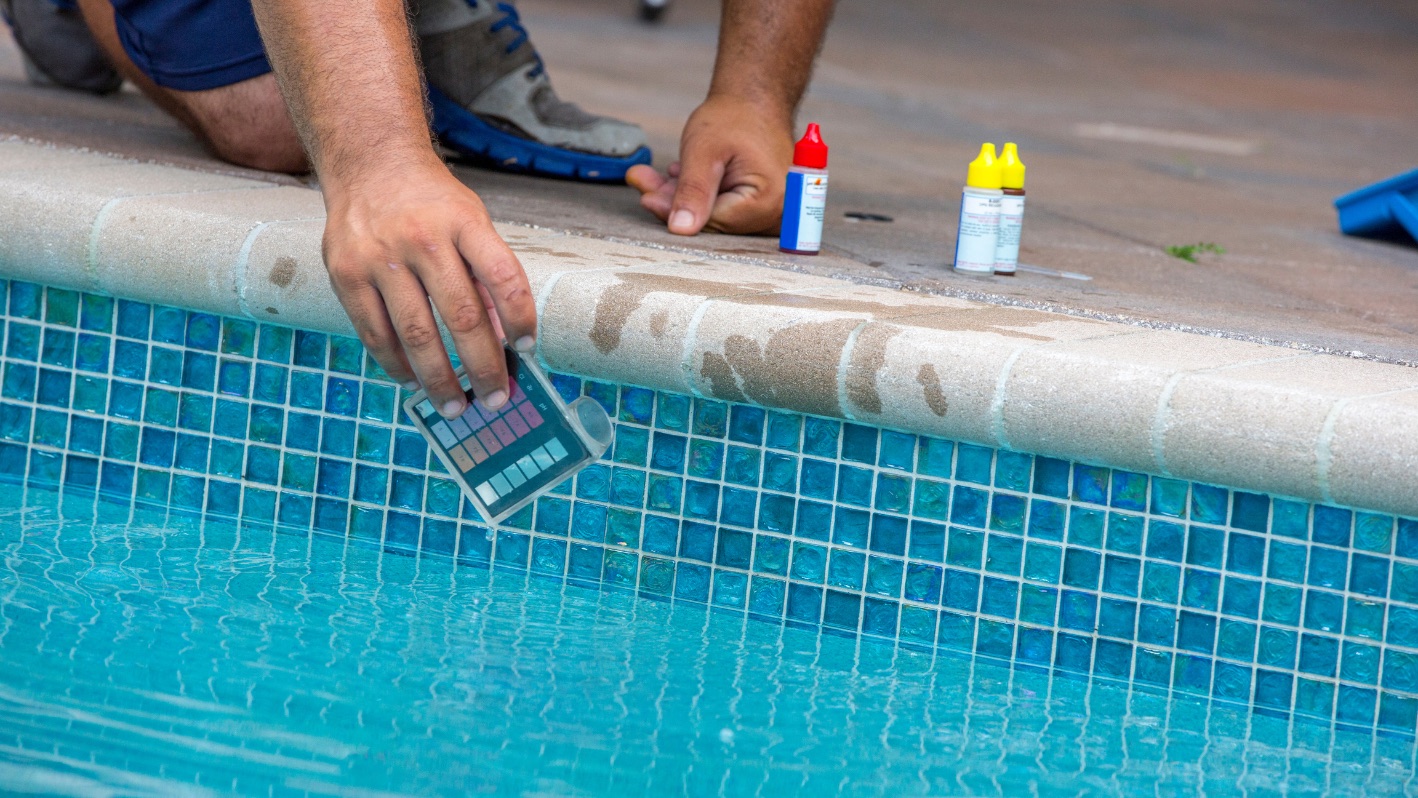
We check visibility, debris, surface condition, water readings, and whether the circulation system is operating.
The cleanup sequence is matched to the condition of the pool and its equipment.
Follow-up readings and water appearance guide the return to routine maintenance.
Algae is the visible result, but recovery depends on removing organic load, exposing growth through brushing, maintaining effective treatment, circulating the water, and keeping the filter able to capture suspended material.
Hang Ten has served pool owners since 2006 and applies that practical experience to residential pools across established Katy and Fulshear routes.
If the floor or main drain cannot be seen, the pool should remain closed while treatment and filtration restore safe visibility.
Brushing breaks up attached growth, while the filter may need additional attention as dead algae and fine debris move through the system.
The follow-up plan addresses sanitizer, circulation schedules, filter condition, debris, and any equipment issue that contributed to the outbreak.
Cleanup is suited to pools affected by a service gap, storm debris, circulation failure, low sanitizer, recurring algae, or an inherited maintenance problem at a newly purchased home. Not sure this is the right service? Share a photo, address, and short description so Hang Ten can recommend the best next step.
Ask about your pool →These answers explain common decision points. The pool’s actual condition determines the final recommendation.
Timing varies with water condition, algae severity, debris, temperature, visibility, surface type, and equipment performance. Some pools need multiple visits and filter service during recovery.
Appearance alone is not enough. Water chemistry should be in an appropriate range, the pool should be visibly clear, and any treatment waiting periods should be followed before swimming.
Recurring algae can involve incomplete brushing, inadequate sanitizer, poor circulation, filter loading, hidden dead spots, or an equipment issue. The recovery plan should address the system, not just the color.
Tell us about your pool and address. We’ll confirm the service area, answer questions, and recommend the right next step.